
Winter in North Texas doesn’t always bring snow, but it does bring long rains, cold snaps, and wind events that expose weak spots fast. The best way to “extend the life” of your roof isn’t a gimmick—it’s tightening up the areas where water and wind typically get in, improving drainage, and catching small problems before they become decking rot or interior damage. Use this pre-winter guide to keep your roof performing longer in Prosper, Celina, University Park, and Highland Park.
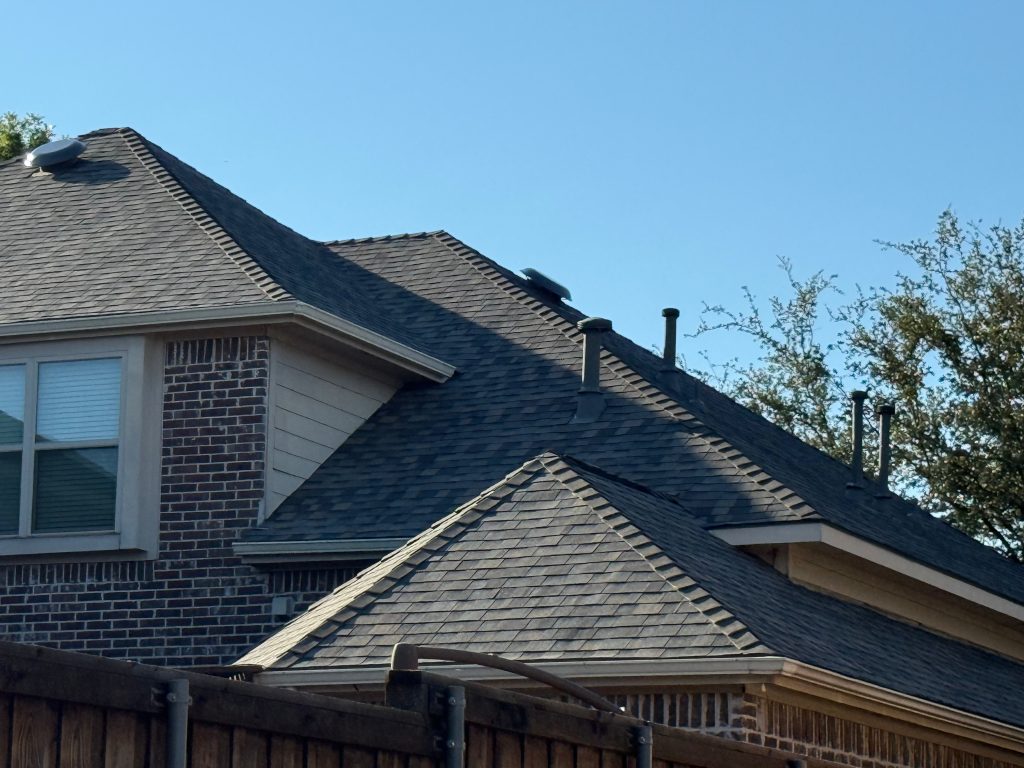
Why Pre-Winter Roof Prep Matters in North Texas
Cooler weather can make existing issues worse because:
- Sealant and vent boots get stiffer and crack more easily
- Prolonged rain keeps weak points wet longer
- Clogged gutters back water up at roof edges
- Wind-driven rain finds lifted shingles and flashing gaps
If you want a professional inspection to identify risks early, Eagle Point’s trusted roofing services can help.
10 Ways to Extend Your Roof’s Life Before Winter
1) Schedule a Roof Inspection Before the Rain Patterns Set In
A pre-winter inspection helps catch:
- Loose or missing shingles
- Failing flashing details
- Worn valleys and roof edges
- Vent boot cracking
- Early attic moisture signs
If issues are found, addressing them quickly with roof repair can prevent more expensive winter damage.
2) Fix Lifted, Curled, or Cracked Shingles Now
Even small shingle issues can become major leak points during wind-driven rain.
Look for:
- Lifted tabs that “lay back down”
- Curling edges
- Cracked corners
- Shingles missing granules in patches
These are prime candidates for targeted roof repair before winter storms.
3) Prioritize Flashing Repairs (The Most Common Leak Source)
Most roof leaks start at transitions:
- Chimneys
- Roof-to-wall lines
- Skylights
- Valley transitions
- Roof vents and pipes
Cracked sealant or slightly lifted flashing can let in wind-driven rain that travels into the attic. Fixing flashing now is one of the best ROI moves for roof longevity.
4) Check and Replace Aging Vent Boots
Rubber plumbing vent boots often crack from Texas sun and heat, then leak during long rains. If you notice brittle rubber or separations, replace early—this is a common, cost-effective repair that prevents interior damage.
5) Clean Gutters to Prevent Roof-Edge Backup
Clogged gutters are one of the fastest ways to shorten roof life. When water can’t flow, it backs up at the eaves and increases risk for:
- Fascia and soffit rot
- Roof decking deterioration near edges
- Shingle edge breakdown
- Leaks that appear as ceiling stains later
If your gutters are sagging, leaking at seams, or overflowing even when clean, upgrading with gutter replacement is often the smarter long-term fix.
6) Make Sure Downspouts Drain Away From the Foundation
Downspouts that dump water near the home can create pooling and soil saturation—problems that show up as foundation stress and moisture issues.
If downspouts are short, crushed, or disconnecting, downspout replacement helps move water away from the home during prolonged rains.
7) Clear Valleys and Roof Edges of Debris
Leaves and debris trap moisture and can force water to pool in high-flow areas. Clear:
- Roof valleys
- Behind chimneys
- Around skylights and vent stacks
- Roof edges near gutters
Valleys are a common winter leak zone because they carry the highest water volume.
8) Trim Overhanging Branches and Reduce Impact Risk
Wind + branches can tear shingles, dent vents, and clog gutters mid-storm. Trim limbs that:
- Touch the roof
- Hang over valleys and ridge lines
- Could drop debris during wind events
This reduces both impact damage and drainage clogs.
9) Check the Attic for Moisture and Ventilation Issues
Your attic tells the truth about roof health. Look for:
- Water staining on decking
- Damp insulation
- Musty odors
- Rusted nails or metal components
- Mold speckling
If moisture is present, it’s a sign your roof needs attention now—before winter rain makes the problem persistent.
10) Address Related Exterior Issues That Shorten Roof Life
Roof longevity is connected to the rest of your exterior. Before winter, it can help to:
- Seal and protect fascia/trim after repairs with exterior painting
- Fix storm-loosened fences with fence repair (wind events often take out weak panels)
- Refresh interior stain areas after leaks are resolved with interior painting
Quick Pre-Winter Roof Checklist (10 Minutes)
No roof climbing required:
- Walk the perimeter and scan shingles and ridges
- Check gutters for sagging, gaps, and debris
- Look for granules at downspout exits
- Inspect fascia/soffits for peeling paint or staining
- Check ceilings for new stains and attic for moisture
If you spot anything suspicious, schedule an inspection before the next long rain.
When Pre-Winter Repairs Aren’t Enough (Replacement Signals)
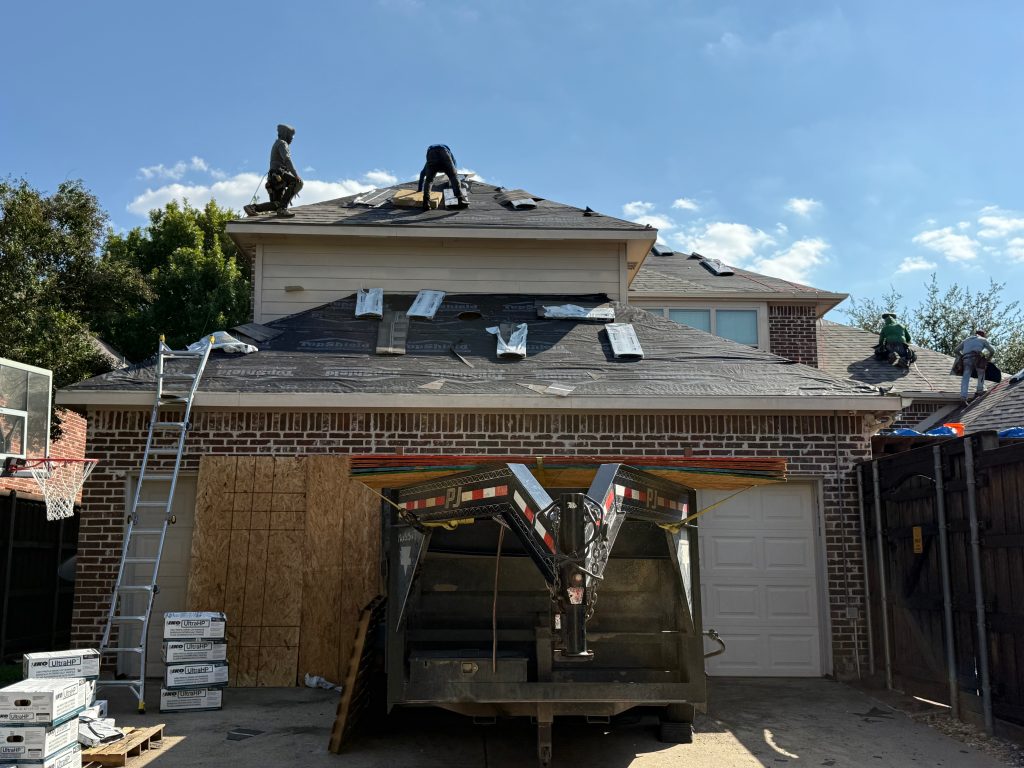
Sometimes “extending roof life” isn’t realistic because the roof is already near end-of-life. Consider a roof replacement evaluation if you have:
- Widespread curling/cracking/brittleness
- Broad granule loss and patchy appearance
- Recurring leaks across multiple areas
- Multiple repairs over the last few years
- Storm damage across several slopes
Replacing before winter can reduce emergency leak risk and protect your interior.
Schedule a Pre-Winter Roof Inspection in North Texas
If you want to extend your roof’s life and avoid costly winter surprises, Eagle Point Roofing & Exteriors can inspect your roof, gutters, and key leak points and recommend the most cost-effective next steps. Schedule through our contact page today.