
Fall is the best season to “reset” your roof before North Texas weather turns unpredictable. Cooler temperatures make repairs easier, leaves can clog drainage fast, and small summer issues (like cracked sealant or lifted shingles) can become winter leaks if they’re ignored. Use these fall roof maintenance tips to prevent costly repairs and keep your home protected in Prosper, Celina, University Park, and Highland Park.

Why Fall Roof Maintenance Matters in North Texas
Fall brings a mix of wind events, heavy rain, and early cold snaps. That combination can:
- Push wind-driven rain into weak flashing points
- Back water up under shingles when gutters clog
- Expand tiny cracks in sealant and vent boots
- Trigger interior damage that costs far more than a simple fix
If you want a professional seasonal checkup, Eagle Point’s trusted roofing services can identify issues early and recommend the most cost-effective solution.
Fall Roof Maintenance Checklist (Start Here)
1) Do a Safe Ground-Level Roof Scan
Use binoculars and look for:
- Missing, cracked, curling, or lifted shingles
- “Wavy” shingle lines that suggest tabs are lifting
- Ridge cap shingles that look uneven
- Dark patches that may indicate granule loss
- Debris buildup in valleys and around chimneys
If you see lifted or damaged shingles, it’s smart to schedule roof repair before wind-driven rain finds the gap.
2) Check Flashing and Sealant at Common Leak Points
Most roof leaks start at transitions, not in the middle of a roof slope. In fall, inspect (from the ground if possible):
- Chimney flashing
- Roof-to-wall lines
- Skylight edges
- Plumbing vent boots
Signs of trouble:
- Cracked or missing sealant
- Lifted flashing corners
- Rusted or bent metal edges
These are ideal to address early with professional roof repair before winter moisture becomes persistent.
3) Clean Gutters Before Leaves Create Overflow
Clogged gutters are one of the fastest paths to roof-edge leaks and fascia rot.
Fall gutter checklist:
- Remove leaves and sludge from gutter runs
- Clear downspout outlets and elbows
- Confirm water flows freely during a hose test
- Look for sagging sections or separation from fascia
If your gutters overflow even when clean, leak at seams, or pull away repeatedly, upgrading with gutter replacement can prevent ongoing roof-edge and foundation problems.
If downspouts are crushed, disconnected, or dumping water too close to the home, downspout replacement helps redirect runoff safely away from your foundation.
4) Inspect Fascia and Soffits for Water Damage
Fall is when you’ll often notice the first signs of drainage-related deterioration:
- Peeling paint on fascia
- Dark staining behind gutters
- Soft wood at roof edges
- Pest activity near soffit vents
Once drainage and roof issues are corrected, protecting those areas with professional exterior painting can help prevent rot and improve curb appeal.
5) Check the Attic for Moisture (Your Most Valuable Fall Step)
Bring a flashlight and look for:
- Water streaks on the underside of the roof decking
- Damp insulation
- Rusted nails or moisture beads
- Musty smells or mold speckling
- Daylight coming through roof boards
Any moisture sign is reason to schedule a professional inspection—especially before colder weather makes drying harder.
6) Trim Overhanging Branches and Remove Storm Debris
Fall winds can turn branches into roof damage. Trim limbs that:
- Hang over roof slopes
- Touch shingles during breezy weather
- Could fall onto valleys, vents, or gutters
Also clear debris from valleys to reduce water backup during heavy rains.
7) Watch for Summer Heat Damage That Becomes a Fall Leak
Summer heat can weaken shingle seal strips and crack sealants. In fall, those weaknesses show up during the first heavy rains.
Warning signs:
- Granules collecting at downspouts
- Shingles curling, cracking, or looking brittle
- Lifted tabs or creased shingles after wind events
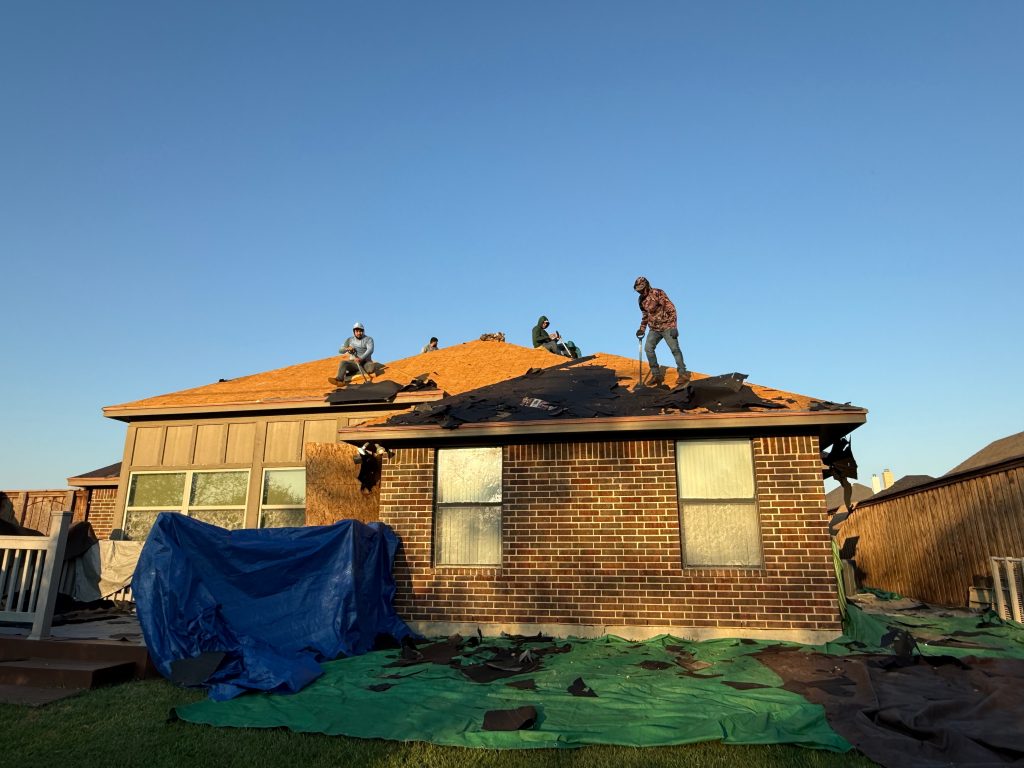
If wear is widespread or repairs have become frequent, a long-term plan like roof replacement may be more cost-effective than repeated fixes.
Bonus: Fall Exterior Maintenance That Supports Roof Health
Fence inspection (wind + moisture combo)
Fall storms can worsen leaning posts and loose panels. If your fence is showing damage, Eagle Point can help with fence repair or a full fence installation and custom fence building.
Interior touch-ups after repairs
Once roof leaks are resolved, stained ceilings and walls can be refreshed with professional interior painting.
Fall Roof Maintenance FAQ (North Texas)
How often should I clean gutters in the fall?
At least once early in the season and again after peak leaf drop—especially if you have trees nearby.
Can small roof issues really turn into expensive repairs?
Yes. Small flashing gaps or lifted shingles can allow repeated moisture intrusion, leading to insulation saturation, mold risk, and decking rot.
Should I repair now or wait until spring?
Fall is often ideal because the weather is milder and you’re preparing for months of rain and cold snaps. Fixing issues now typically reduces winter damage risk.
Schedule a Fall Roof Inspection in North Texas
If you want to prevent costly repairs this season, Eagle Point Roofing & Exteriors can inspect your roof, gutters, and exterior details and recommend the right fixes before winter weather arrives. Schedule through our contact page today.